Best Budget Headphones for Ambient Listening in 2025
Ambient music rewards patience. It is built from long tones, slow shifts, field recordings, reverb tails and details that sit far back in the mix. The wrong headphones can make it sound flat, tiring or simply dull. The right budget pair can make an hour disappear. In 2025, you do not need to spend a fortune to get detail, comfort and a tuning that does not fight the music. What you do need is a clear idea of where you listen, for how long, and what tends to distract you.
Ambient is not about punch. It is about low-level information: the breath before a note, the decay of a piano, the hum underneath a synth pad. A headphone with boosted bass and sharp treble can smear that detail or fatigue you. Look for a smooth midrange, controlled bass and treble that stays open without hiss. Soundstage matters more than usual. A wide, deep image lets loops and drones sit in their own space. Good imaging helps you follow quiet layers without turning the volume up.
Isolation matters if you listen on trains or in shared rooms, but too much isolation can make long sessions feel claustrophobic. There is no single perfect tuning. Neutral-ish is a safe start. Warm is cosy. Bright can be exciting for short listens but tiring over hours.
Open-back headphones let air move and often sound wider and more natural. They are a favourite for ambient at a desk. The trade-off is leakage. People nearby will hear your music, and you will hear them. If you need to block out a noisy room, closed-back is the practical choice. Closed-back designs seal around the ear, giving more isolation and usually stronger bass. Some can sound boxy or narrow, but good budget models manage a clean, slightly intimate presentation.
Semi-open sits between the two. For long ambient sessions at home, open-back is often more comfortable because your ears do not heat up as quickly. For commuting, studying in a library or sharing a flat, closed-back or noise cancelling is safer.
Ambient listening tends to be long. A headphone that feels fine for ten minutes can become a headache at the two-hour mark. Weight, clamp force, pad material and headband shape matter more than fancy specs. Look for:
If you wear glasses, thick arms can break the seal on closed-backs. Try before buying if you can. Otherwise, buy from a shop with a returns policy and test for at least an hour. A short break every 60 to 90 minutes is sensible, especially at higher volumes.
Wired headphones often give more sound quality for the same budget because there is no battery, Bluetooth chip or amplification to pay for. Many budget wired models are light, simple and easy to repair. Wireless is convenient, especially if you move around. For ambient, Bluetooth codec and latency matter less than stability and hiss. A quiet background is crucial; some cheap wireless models add a faint electronic noise that ruins soft passages.
Noise cancelling can be useful on planes, trains and noisy streets. It works best on steady low-frequency rumble, not sudden speech. Good budget ANC is available, but it can slightly compress dynamics and add pressure. If you mostly listen at home, spend your money on comfort and tuning instead. If you commute, ANC is worth prioritising.
Rather than chase a single winner, match the headphone to your room and routine. The following categories are a reliable starting point. Try to listen with a track you know, such as a long drone or a quiet piano piece, and judge whether you can hear the reverb tail without turning the volume up.
None of these are perfect. Read returns policies, and ignore reviews that only talk about bass. Ambient lives in the quiet details.
Position matters. With open-backs, sit away from fans, air conditioning and computer hum. A quiet room is the cheapest upgrade. If your headphones have a detachable cable, a longer, lighter cable can reduce tug. If you use a laptop, try a cheap USB audio adapter or dongle if the headphone output hisses.
Avoid heavy EQ boosts. A small cut around 200–400 Hz can clean up muddiness; a gentle lift above 8 kHz can add air, but too much will highlight noise. For long sessions, keep volume moderate. Use a playlist that moves from quiet to loud gradually rather than jumping between extremes. Finally, give new headphones a week. Your ears adapt, and first impressions often change.
Write down where you listen, for how long and what distracts you. Then check these points:
If you can answer those, you will make a better choice than any spec sheet suggests. Budget headphones have improved a lot. With a little care, you can build a calm, detailed listening setup without spending a fortune. If you notice ringing, pain or muted hearing after listening, stop and seek advice from a hearing professional.
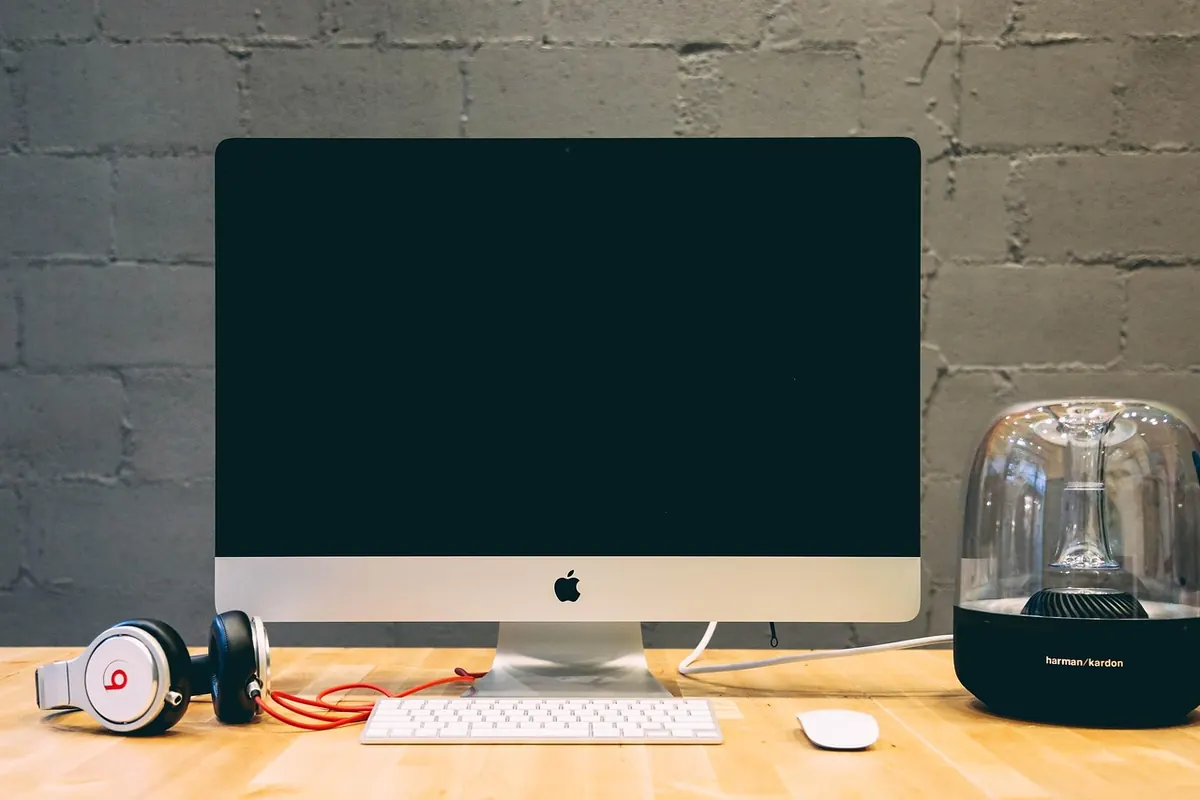
Photo: fancycrave1 / Pixabay
Previous Post
A Beginner's Guide to Field Recording for Ambient Music
Next Post
How to Make a Lo-Fi Ambient Track in Your DAW